Education
What Is Lime Wash Paint? The Complete Guide for Homeowners
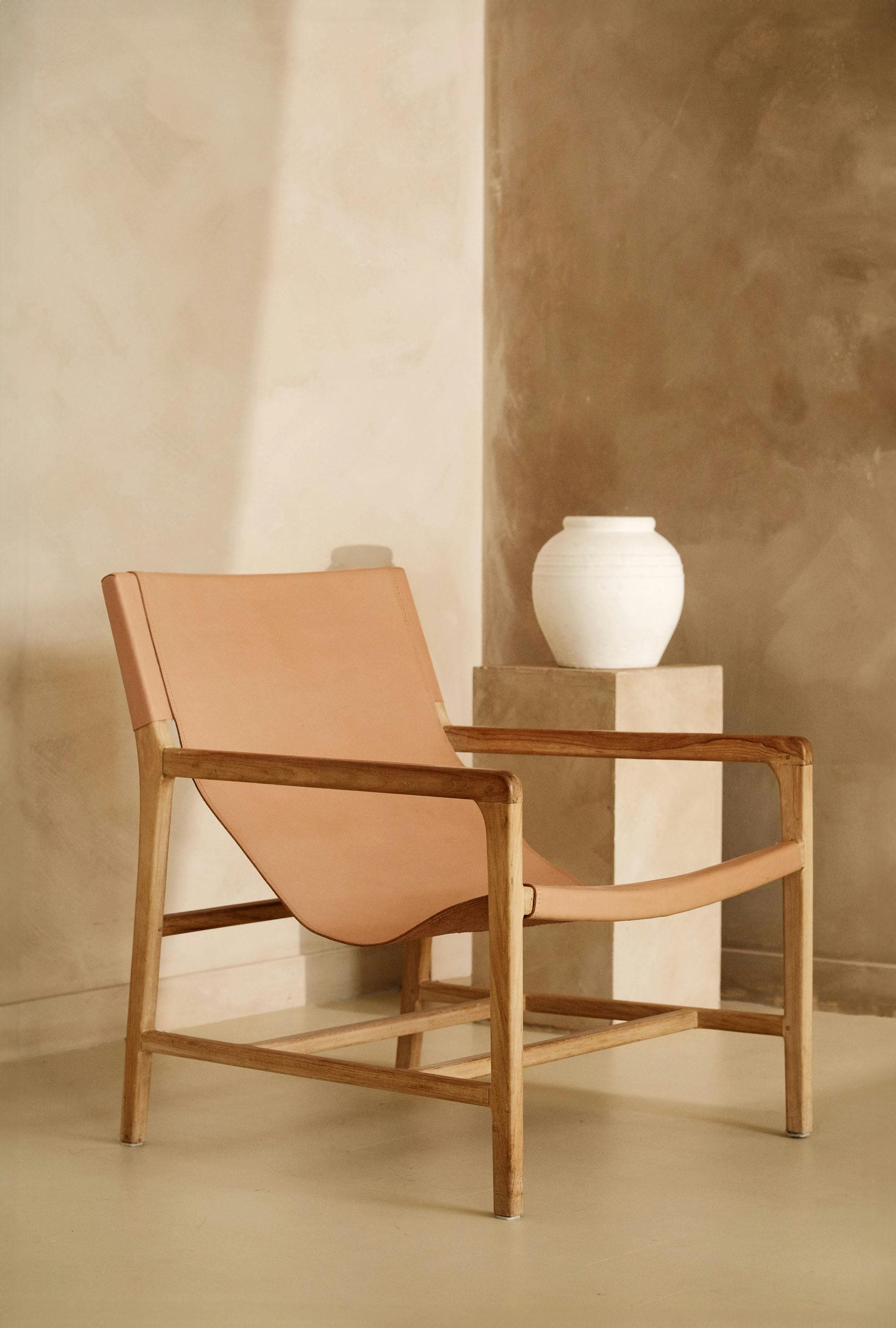
If you have spent any time scrolling through interior design feeds in the past few years, you have seen lime wash paint — even if you did not know what you were looking at. That soft, cloud-like texture on bedroom walls and living room accent features? The chalky, lived-in depth that makes a brand-new home feel like a centuries-old European villa? That is lime wash paint, and it is one of the oldest and most enduring wall finishes in human history.
But what exactly is lime wash paint? How is it different from regular paint, venetian plaster, or roman clay? Is it the right choice for your walls? In this guide, we break down everything you need to know — from the chemistry behind it to the application process, cost, maintenance, and whether you should hire a professional or try it yourself.
What Is Lime Wash Paint Made Of?
Lime wash paint — sometimes spelled "limewash" as one word — is made from slaked lime, also known as calcium hydroxide. The process starts with limestone (calcium carbonate), which is heated in a kiln to create quicklime (calcium oxide). Quicklime is then mixed with water in a process called "slaking," which produces a smooth, putty-like substance called slaked lime or lime putty. This putty is then thinned with water to a paint-like consistency and sometimes tinted with natural mineral pigments.
What makes lime wash fundamentally different from conventional latex or acrylic paint is how it bonds to the surface. Regular paint forms a plastic film that sits on top of the wall. Lime wash actually penetrates into the substrate and undergoes a chemical reaction called carbonation — it absorbs carbon dioxide from the air and slowly converts back into limestone. The finish literally becomes part of the wall rather than a coating on top of it.
This chemistry is what gives lime wash its signature characteristics: breathability, natural antibacterial properties, a matte and chalky texture, and that unmistakable depth of color that shifts beautifully as natural light moves across the room throughout the day.
The History of Lime Wash
Lime wash is not a trend — it is one of the oldest building materials on Earth. Archaeological evidence shows that lime-based coatings were used as far back as 4000 BCE in the ancient civilizations of Mesopotamia, Egypt, and the Indus Valley. The Romans used lime wash extensively, both as a protective coating for exterior walls and as a decorative interior finish. Many of the whitewashed buildings you see today along the Mediterranean — in Greece, southern Spain, and Morocco — descend directly from this Roman tradition.
In Europe, lime wash remained the dominant wall coating through the Middle Ages and into the Renaissance. It was used in churches, palaces, and humble farmhouses alike — essentially anywhere people built walls. The technique only fell out of mainstream use in the twentieth century when mass-produced latex paint became cheap and widely available. Now, as homeowners increasingly seek natural, sustainable, and visually distinctive alternatives to conventional paint, lime wash is experiencing a well-deserved revival.
What Does Lime Wash Look Like?
The defining visual characteristic of lime wash paint is its soft, mottled, slightly uneven texture. Unlike flat latex paint, which dries to a perfectly uniform color, lime wash creates natural variation across the surface. Some areas will be slightly lighter, others slightly darker, and the overall effect is a gentle, organic movement that gives walls a sense of depth and age.
The finish is always matte — there is no sheen or gloss with traditional lime wash. The texture is slightly chalky to the touch, almost like suede. Colors tend to appear soft and muted because the lime itself has a natural white base that gently lightens any pigment mixed into it. This is why lime wash colors often look "dusty" or "washed" compared to their paint-chip equivalents — and it is exactly this quality that makes them so appealing in interior design.
One of the most striking things about lime wash is how it interacts with light. Because the finish has actual physical texture and slight color variation, it catches and scatters light differently depending on the time of day and the angle of view. A lime-washed wall in morning sunlight looks noticeably different than the same wall in the evening. This dynamic quality is impossible to achieve with regular paint and is the primary reason designers reach for lime wash when they want walls that feel alive.
Lime Wash Paint vs Regular Paint
The differences between lime wash and conventional paint go far beyond appearance. Regular latex or acrylic paint is a synthetic product made from plastic polymers, pigments, solvents, and chemical additives. It forms an impermeable film over the wall surface. Lime wash is a mineral product with zero VOCs (volatile organic compounds) in its traditional formulation. It bonds chemically to the substrate and remains breathable, meaning moisture can pass through it in both directions.
This breathability matters more than most people realize. In a climate like Utah, where dry winters and summer monsoons create significant moisture swings, a breathable wall finish helps regulate indoor humidity naturally. Conventional paint can trap moisture behind it, leading to mold growth, bubbling, and peeling over time. Lime wash allows the wall to dry out naturally and its high pH makes it naturally resistant to mold and mildew growth.
Durability is another area where lime wash outperforms paint over the long term. While paint degrades through peeling, chipping, and yellowing, lime wash actually gets harder over time as it continues to carbonate. Historic buildings coated in lime wash centuries ago still retain their finish. That said, lime wash is softer when first applied and can rub off on clothing if not sealed properly, which is something to keep in mind for high-traffic areas.
Lime Wash vs Venetian Plaster vs Roman Clay
Lime wash, venetian plaster, and roman clay are all lime-based wall finishes, but they differ significantly in composition, application, and result. Lime wash is the thinnest of the three — it is applied with a brush or roller in translucent layers that let the wall surface show through. It adds color and texture but almost no thickness. Venetian plaster, by contrast, is a much thicker material applied with a trowel in multiple layers that are then burnished to create a smooth, polished surface with significant depth and a stone-like appearance.
Roman clay falls somewhere in between. It is thicker than lime wash and applied with a trowel, but it does not get burnished to a high polish like venetian plaster. The result is a matte, tactile surface with more physical texture than lime wash but without the mirror-like sheen of polished plaster. If you are trying to decide between the three, think about the look you want: lime wash for a soft, painted texture with organic variation; venetian plaster for a luxurious, stone-like polish; and roman clay for an earthy, hand-crafted matte finish.
We offer all three finishes and can create custom sample boards so you can compare them side by side in your own space before making a decision. Our detailed comparison guide breaks down the differences even further if you want to go deeper.
Where Can You Use Lime Wash Paint?
Lime wash is remarkably versatile. The most popular application is interior accent walls — bedrooms, living rooms, dining rooms, and entryways are all excellent candidates. The soft, organic texture creates a stunning focal point without overwhelming a space. It also works beautifully in full-room applications, especially in rooms with good natural light where the finish can show off its dynamic light-catching qualities.
Lime wash is also an excellent choice for bathrooms, thanks to its breathability and natural mold resistance. Unlike paint, which can trap moisture and start peeling in humid environments, lime wash handles bathroom humidity beautifully. For shower areas and direct water contact zones, we typically recommend microcement or tadelakt instead, but lime wash is perfect for bathroom walls outside the wet zone.
Exterior applications are another traditional strength of lime wash. In fact, exterior use is what lime wash was originally designed for thousands of years ago. Exterior lime wash protects masonry, brick, and stucco while allowing the substrate to breathe. It weathers gracefully over time, developing a natural patina that many homeowners find more attractive than the original application. For Utah homes with brick or stucco exteriors, lime wash is an outstanding alternative to conventional exterior paint.
One important limitation: lime wash does not adhere well to surfaces that have been previously painted with latex or acrylic paint. It needs a porous, mineral substrate to bond to — raw drywall, plaster, bare masonry, brick, or specially primed surfaces. If your walls currently have paint on them, proper preparation is essential, which typically involves priming with a mineral-based primer that gives the lime wash something to grip.
How Is Lime Wash Paint Applied?
Professional lime wash application follows a careful, multi-step process. First, the walls need to be in good condition — any cracks, holes, or imperfections need to be repaired because lime wash is translucent and will not hide flaws the way thick paint does. For walls with existing paint, a bonding primer designed for mineral finishes is applied first.
The lime wash itself is applied in thin, overlapping strokes using a wide masonry brush, block brush, or sometimes a large roller depending on the desired texture. The key to a beautiful lime wash finish is building up multiple thin layers rather than trying to achieve full coverage in one coat. Most professional applications involve two to four coats, with each coat allowed to dry before the next is applied.
The application technique directly affects the final appearance. Cross-hatching brush strokes create a more textured, rustic look. Long, parallel strokes create a smoother, more refined finish. Stippling the surface while wet adds even more texture. A skilled applicator controls these variables deliberately to achieve the exact aesthetic the client is after — which is a big part of why professional application tends to look dramatically better than DIY attempts.
We bring sample boards to your home before starting any project so you can see and feel different application styles under your specific lighting conditions. This step is part of our standard process for every project and eliminates surprises.
How Much Does Lime Wash Paint Cost?
For DIY application, lime wash paint materials typically cost between $50 and $120 per gallon, depending on the brand. A gallon covers approximately 200 to 400 square feet per coat, and you will need two to four coats for full coverage. Popular brands include Romabio, Portola, and JH Wall Paints. So material costs for a single accent wall might run $100 to $250.
Professional installation in Utah typically ranges from $8 to $14 per square foot, which includes materials, surface preparation, and labor. A single accent wall of about 120 square feet would cost roughly $960 to $1,680 professionally installed. A full room might run $2,500 to $5,000 depending on size and complexity. These prices make lime wash the most accessible entry point into luxury wall finishes — significantly less expensive than venetian plaster while still delivering a dramatic visual upgrade over conventional paint.
Can You DIY Lime Wash Paint?
Lime wash is arguably the most DIY-friendly of all the luxury wall finishes. Unlike venetian plaster, which requires significant trowel skill, or microcement, which demands precise mixing and timing, lime wash application with a brush is relatively forgiving. The natural variation in the finish means that minor inconsistencies in your brush technique often add character rather than looking like mistakes.
That said, there are several areas where DIY lime wash commonly falls short. Surface preparation is the biggest one — lime wash is unforgiving of substrate problems, and most homeowners underestimate how much prep work is needed. Color matching is another challenge. Lime wash dries significantly lighter than it looks when wet, and the color continues to change over the first few days as carbonation occurs. Without experience, it is easy to end up with a color that is nothing like what you expected.
Consistency across large areas and achieving clean edges at ceilings, trim, and transitions are also areas where professionals deliver noticeably better results. If you are considering a small accent wall and enjoy hands-on home projects, DIY lime wash can be a rewarding weekend project. For full rooms, high-visibility spaces, or if you have any concerns about your wall condition, hiring a professional will save you time, frustration, and almost certainly deliver a better result.
Lime Wash Maintenance and Longevity
One of the best things about lime wash is how low-maintenance it is once properly applied. For interior walls, you generally do not need to do anything special. Dust and light marks can be wiped with a damp cloth. Scuffs and minor damage are easy to touch up because lime wash blends seamlessly — unlike paint, where touch-ups are often visible because the new paint does not quite match the existing surface.
For areas that need extra protection — like kitchens, hallways, or homes with young children and pets — applying a clear matte sealer over the lime wash adds a layer of durability without changing the appearance. The sealer makes the surface more resistant to staining and easier to clean while preserving the natural, chalky look of the lime wash.
In terms of longevity, a properly applied lime wash interior finish can last ten to fifteen years or more before needing to be refreshed. Exterior lime wash may need recoating every five to ten years depending on weather exposure. When it does need refreshing, the process is straightforward — you simply apply another coat of lime wash directly over the existing finish without any stripping or heavy preparation.
Popular Lime Wash Colors for 2026
Lime wash colors tend to lean toward earthy, muted tones because of the way the lime base interacts with pigment. The most popular colors we are seeing in Utah homes right now include warm whites and creams that give walls a plaster-like warmth without looking "painted," soft sage and olive greens that connect interiors to the surrounding mountain landscape, dusty terracotta and clay tones that add warmth without overwhelming a room, pale grays and putty tones for a modern European look, and rich charcoal for dramatic accent walls and powder rooms.
The important thing to remember about lime wash color selection is that samples are essential. The same color can look dramatically different depending on your room size, natural light, artificial lighting, and surrounding materials. We always recommend seeing the color on your actual wall before committing, which is why custom sample boards are a standard part of our process for every lime wash project.
Is Lime Wash Paint Right for Your Home?
Lime wash paint is an excellent choice if you want walls that have depth, movement, and organic character — qualities that flat paint simply cannot deliver. It is especially well suited for homes where natural materials, sustainability, and indoor air quality are priorities. The zero-VOC composition means no off-gassing, making it ideal for bedrooms, nurseries, and homes with allergy sensitivities.
Lime wash may not be the best fit if you want perfectly uniform color coverage, high-gloss finishes, or surfaces that can withstand heavy scrubbing without sealer. It is also not ideal for rooms with very low light, where the subtle texture variations will not be as visible and may just look uneven rather than intentionally varied.
For Utah homeowners specifically, lime wash is a particularly smart choice. The dry climate is ideal for lime-based finishes, and the earthy aesthetic complements the mountain-modern and organic-contemporary styles that define so many homes in Salt Lake City, Park City, Draper, and the surrounding areas. We have seen a huge increase in demand for lime wash across the Wasatch Front as homeowners discover what a transformative difference it makes compared to conventional paint.
Ready to See Lime Wash in Your Space?
The best way to decide if lime wash paint is right for your home is to see it in person. Photos and screens can only capture so much of the texture, depth, and light-play that make lime wash special. We create custom sample boards for every project — hand-applied on the same substrate your walls will use, in the exact colors you are considering — and bring them to your home so you can evaluate them under your own lighting.
Whether you are looking for a single accent wall or a whole-home transformation, we would love to help you explore what lime wash can do for your space. Reach out for a free consultation and let us show you why this ancient finish is the most exciting wall treatment available today.